Civilization Museum · 09
Philosophy, Ethics & Living Together
From daily self-cultivation, compassion, and concern for every cat to desire, emotion, shared principles, fairness, care, repair, and responsibility for the future, this wall follows how cats learned to see one another and build a world worth sharing.
Cultivating the Self and Seeing Other Cats

Confucius Cat
Confucius Cat reminded cats that respect, trustworthiness, and consideration are not abstract slogans, but habits practiced in everyday encounters. Shared life begins in part with each cat's willingness to guide and restrain its own conduct.
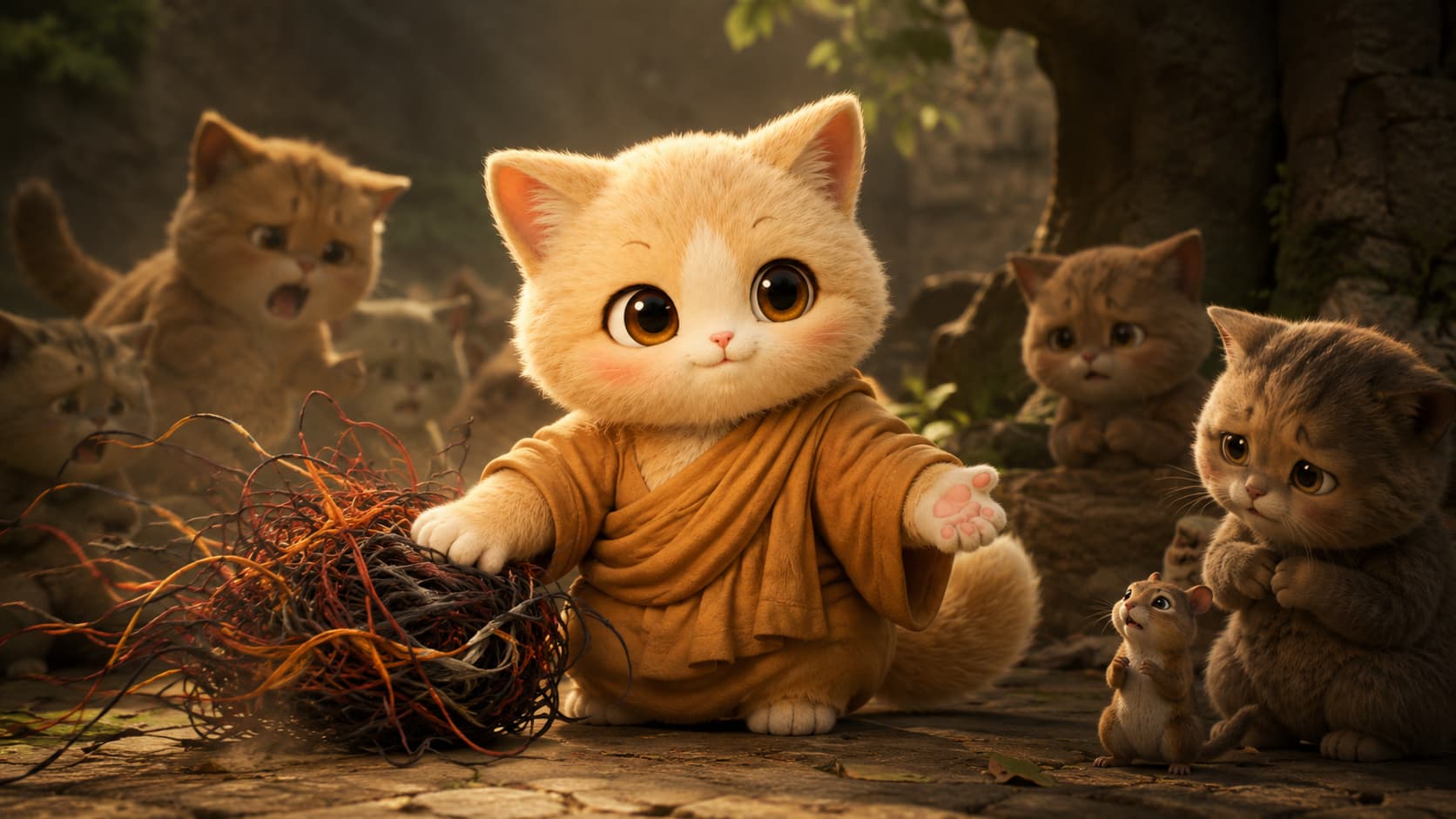
Siddhartha Gautama Cat
Siddhartha Gautama Cat invited cats to see how suffering arises before deciding how to act. Understanding attachment, anger, and fear can help a cat reduce harm to itself, to other cats, and to other sentient life.
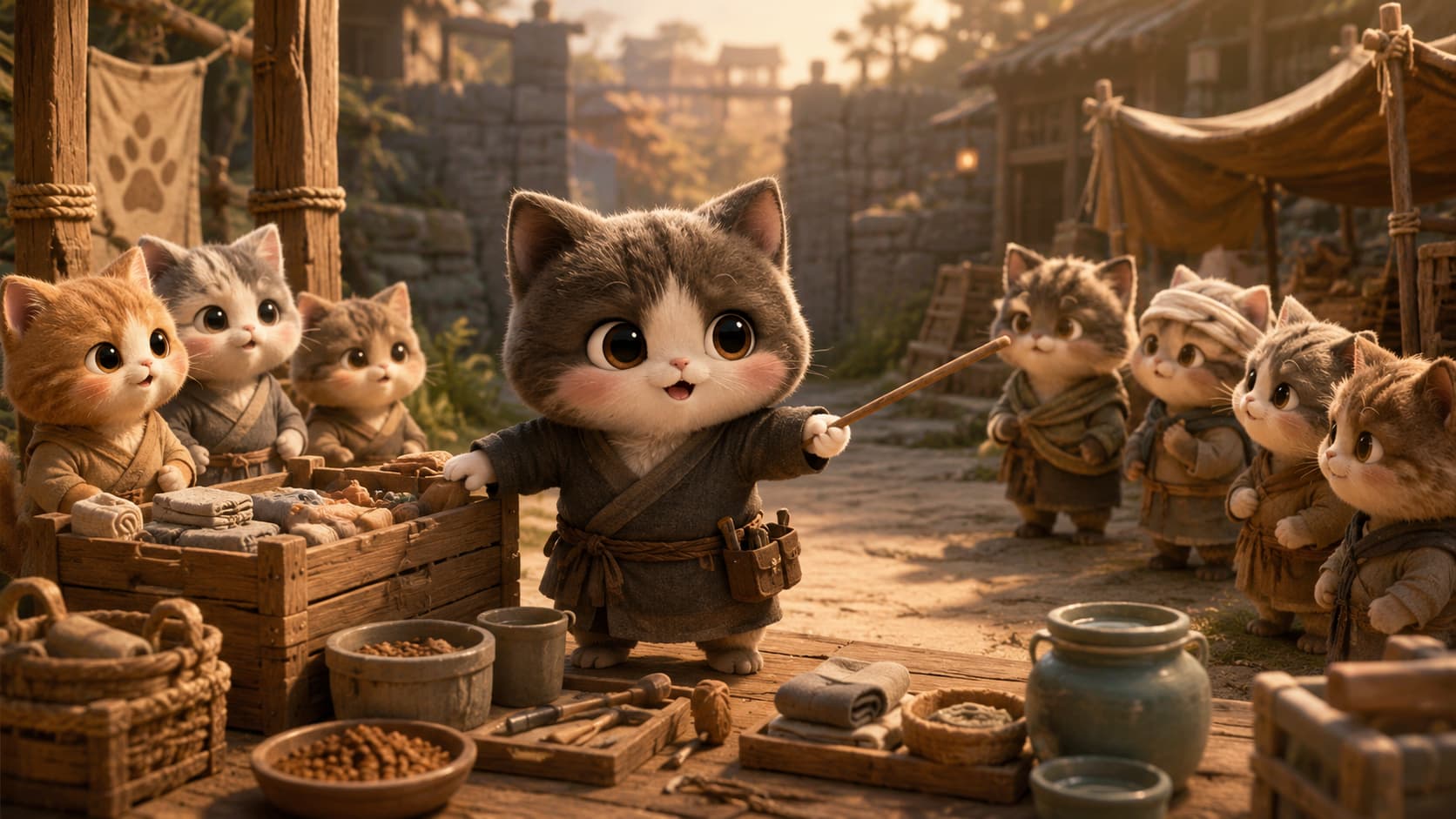
Mozi Cat
Mozi Cat argued that concern cannot be reserved only for familiar cats. Even an unfamiliar cat should receive basic help and be counted when a shared decision's effects are considered.
Desire, Emotion & Principle
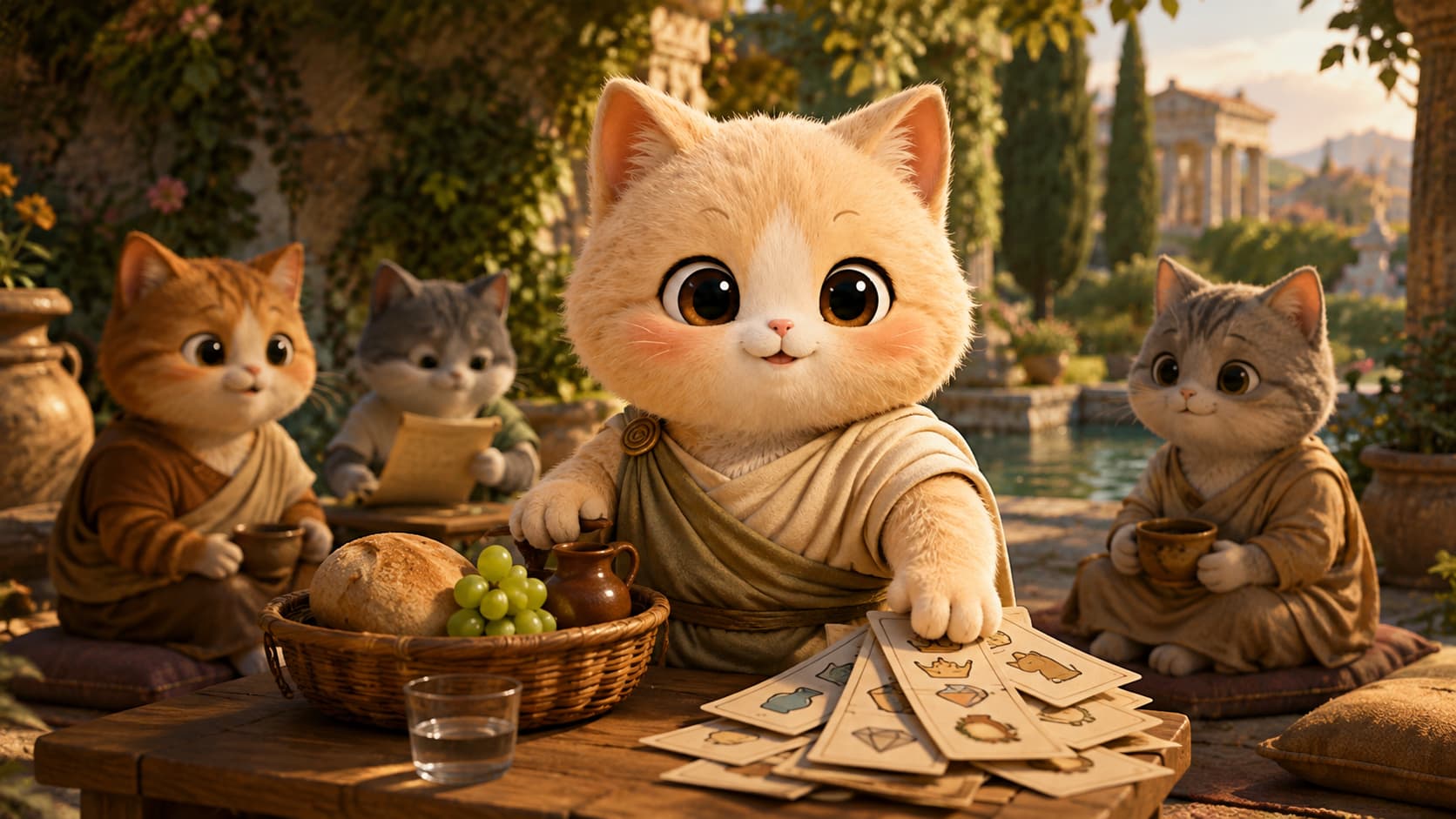
Epicurus Cat
Epicurus Cat helped cats distinguish genuine needs from desires that can never be filled. Moderation, freedom, peace of mind, and dependable friendship may bring a better life than the endless pursuit of more.
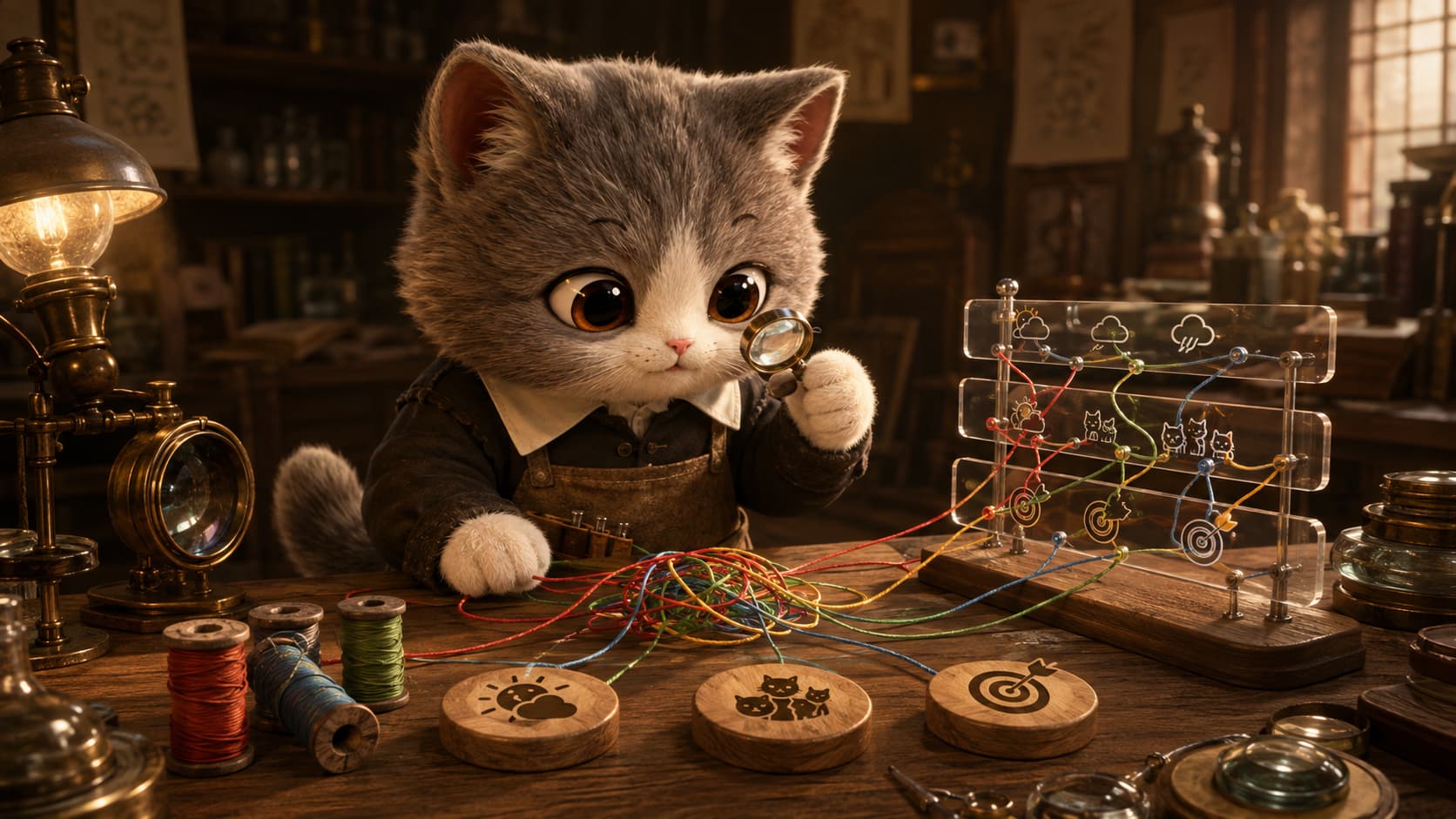
Spinoza Cat
Spinoza Cat studied how emotions arise from causes, environments, and relationships. Understanding anger, fear, and jealousy does not erase emotion; it helps a cat act with more freedom instead of being pulled along by every reaction.

Immanuel Kant Cat
Kant Cat reminded cats to ask what would happen if every cat made the same choice. No cat should ever be treated merely as a tool for achieving another cat's goal.
Principles, Consequences, Fairness & Care

Jeremy Bentham Cat
Bentham Cat asked public decisions to account for the happiness, suffering, risks, and losses experienced by every affected cat. Consequences matter, but severe harm to a few cats must not disappear inside small benefits spread across a majority.

John Rawls Cat
Rawls Cat invited cats to design shared rules without knowing the position they would later occupy. A cat that might become a kitten, an old cat, an ill cat, or a cat needing long-term care has less reason to write hidden advantages for itself.
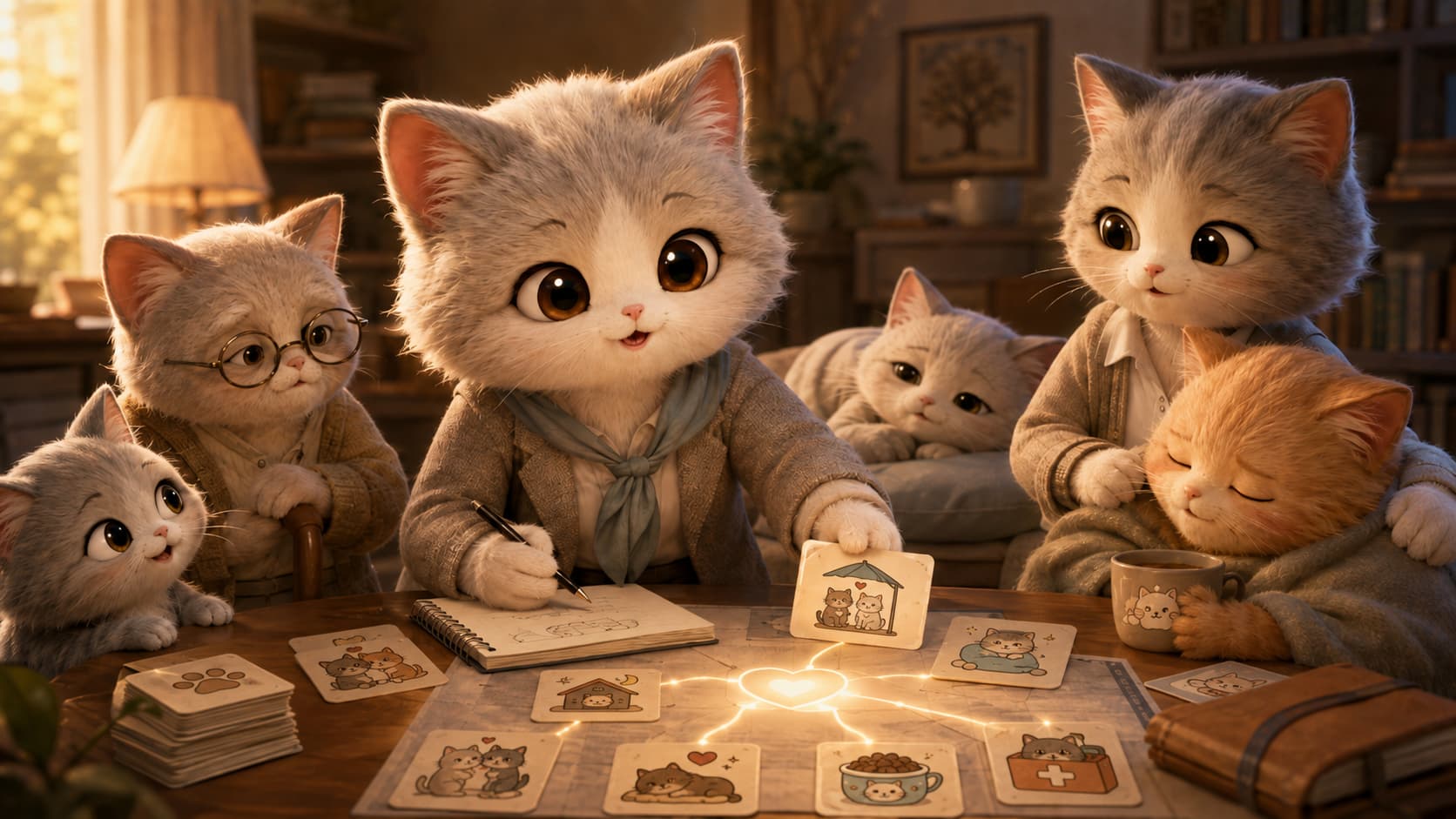
Carol Gilligan Cat
Gilligan Cat reminded cats that kittens, old cats, ill cats, and care cats depend on one another. Care should not be treated as a sacrifice that some cats are naturally expected to bear; the community must support and share it fairly.
Difference, Repair & Responsibility for the Future

Hannah Arendt Cat
Arendt Cat reminded cats that living together does not require every cat to say the same thing. Cats with different experiences and views must be able to appear, act, and be seen before everyone truly shares one public world.
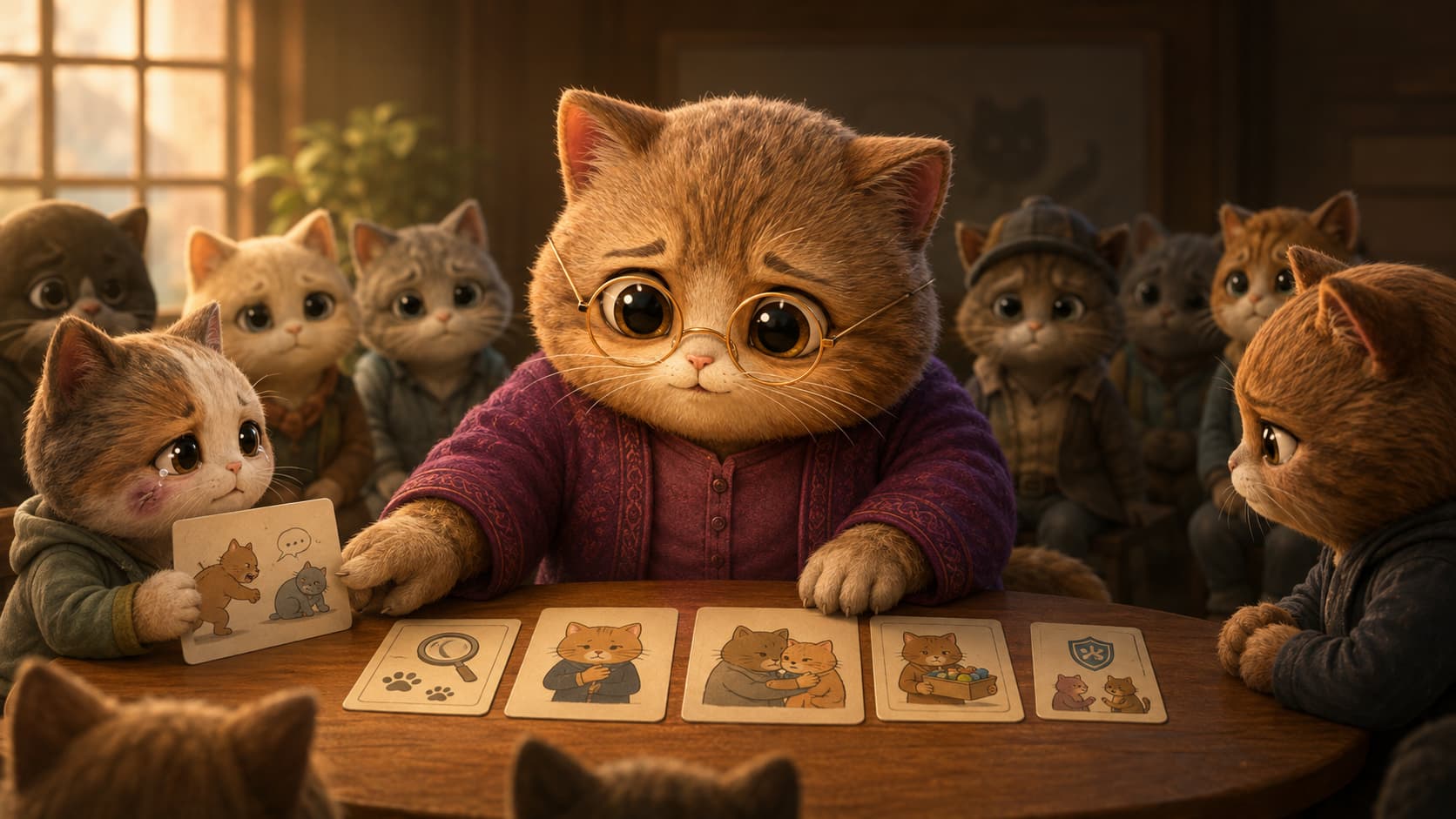
Desmond Tutu Cat
Tutu Cat emphasized that repair after grave harm cannot be built on forgetting, and reconciliation cannot replace truth or responsibility. Injured cats must be able to tell what happened, while the community acknowledges responsibility, repairs damage, and works to prevent repetition.

Hans Jonas Cat
Jonas Cat reminded MiaoMiao City that greater technological power brings greater responsibility for the long future. Decisions about public AI, energy, life systems, and automated governance must also consider cats not yet born and ecological consequences that cannot be undone.